Gray: A Strategic Font for Urban and Industrial Branding
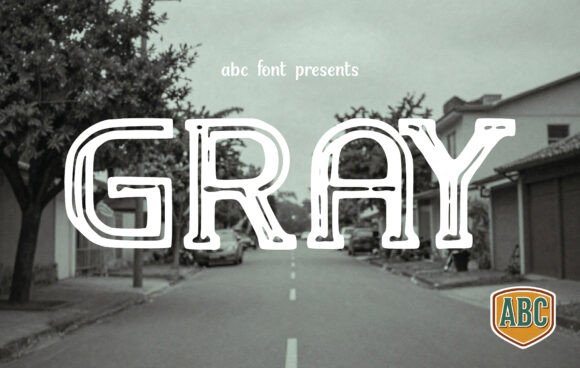
Gray is a distinctive, outlined typeface that embodies the raw, metropolitan character of urban and industrial design. Its double-line structures create a sense of depth and architectural precision, making it an ideal choice for street-style branding and edgy editorial layouts. This article explores how Gray can be strategically used to support your branding, communication, and creative goals.
Understanding the Gray Typeface
The Gray font is characterized by its technical pen-like sketch style, reminiscent of a city map or architectural blueprint. This unique aesthetic gives it a structured yet artistic feel, perfect for creating a strong visual impact. The double-line structure adds a layer of sophistication and detail, making Gray stand out in a crowded design landscape.
Strategic Use of Gray in Branding
When used thoughtfully, Gray can significantly enhance your brand's identity. Here’s how:
- Street-Style Branding: Gray’s edgy and raw appearance makes it a natural fit for streetwear and urban fashion brands. It can help establish a gritty, authentic vibe that resonates with a younger, trend-conscious audience.
- Editorial Layouts: For magazines and publications that focus on urban culture, architecture, or technology, Gray can add a professional and modern touch. Its blueprint-inspired look aligns well with content that is both informative and visually engaging.
- Event Branding: Events such as music festivals, art shows, and tech conferences can benefit from Gray’s bold and dynamic presence. It helps create a memorable and impactful visual experience for attendees.
Enhancing Communication and Creativity
Gray is not just about aesthetics; it also supports effective communication and creativity. Here are some practical ways to use Gray:
- Headline Emphasis: Use Gray for headers and titles to draw attention and create a focal point. Its unique structure can make important information stand out, enhancing readability and engagement.
- Visual Storytelling: Incorporate Gray into infographics, posters, and presentations to tell a story. The font’s architectural precision can help convey complex ideas in a clear and visually appealing manner.
- Brand Collateral: Apply Gray to business cards, brochures, and other collateral to maintain a consistent and professional image. This consistency reinforces brand recognition and trust.
Considerations Before Using Gray
While Gray offers many benefits, it’s essential to consider its suitability for your specific needs. Here are some factors to keep in mind:
- Audience Alignment: Ensure that Gray’s urban and industrial vibe aligns with your target audience. If your brand caters to a more traditional or conservative demographic, Gray may not be the best fit.
- Contextual Relevance: Use Gray in contexts where its edgy and raw character can be appreciated. For example, it works well in urban settings but may feel out of place in a more formal or corporate environment.
- Readability and Legibility: While Gray is visually striking, it’s important to ensure that it remains readable. Avoid using it for long blocks of text or in situations where quick comprehension is crucial.
Risks of Using Gray Without Clear Goals
Using Gray without a clear strategy can lead to several risks:
- Misalignment with Brand Identity: If Gray does not align with your brand’s overall aesthetic and values, it can confuse your audience and dilute your brand message.
- Overuse and Overexposure: Excessive use of Gray can make it lose its impact. It’s important to balance its use with other design elements to maintain a fresh and engaging visual experience.
- Negative Perception: In some cases, Gray’s edgy and raw character might be perceived as too aggressive or unprofessional. Always test and gather feedback to ensure it resonates positively with your audience.
Integrating Gray into Your Design Strategy
To use Gray effectively, consider the following strategic steps:
- Define Your Objectives: Clearly outline what you want to achieve with Gray. Whether it’s to create a strong brand identity, enhance visual storytelling, or improve communication, having clear objectives will guide your design decisions.
- Conduct Audience Research: Understand your audience’s preferences and expectations. This will help you determine if Gray is a suitable choice and how it can be best integrated into your design.
- Test and Iterate: Start with small-scale implementations, such as using Gray in a single campaign or project. Gather feedback and make adjustments as needed to refine your approach.
- Balance with Other Elements: Combine Gray with complementary design elements, such as black-and-white photography and gritty textures, to create a cohesive and impactful visual experience.
Conclusion
Gray is a powerful and versatile typeface that can add a unique and edgy touch to your branding and design projects. By using it strategically and thoughtfully, you can enhance your brand’s identity, improve communication, and create a memorable visual experience. However, it’s crucial to align Gray with your brand’s goals and audience to avoid potential pitfalls. With careful planning and execution, Gray can be a valuable asset in your design toolkit.