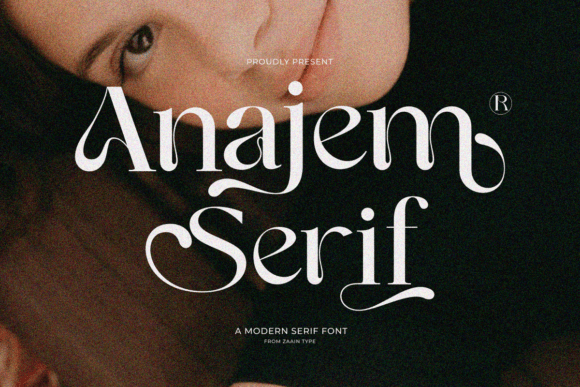
Discover the Elegance and Versatility of Anajem Serif
Anajem Serif is a beautifully crafted serif typeface that seamlessly blends classic elegance with a subtle modern touch. This font is designed with balanced proportions, gentle stroke contrast, and refined yet distinctive serifs, making it an excellent choice for a wide range of applications. Whether you're working on a book, magazine, or branding project, Anajem Serif delivers a professional, warm, and highly readable appearance across various sizes.
Why Choose Anajem Serif?
The classic nuance of Anajem Serif conveys trust and credibility, while its modern refinement ensures it remains relevant in both print and digital media. Its clean letterforms and smooth visual rhythm make it ideal for editorial uses, where a sophisticated and timeless look is essential.
Mistake 1: Overlooking Font Pairings
One common mistake is using Anajem Serif without considering how it pairs with other fonts. A poorly chosen secondary font can clash with the elegance of Anajem Serif, diminishing the overall aesthetic of your design. Always test different font combinations to ensure they complement each other and maintain a cohesive look.
Mistake 2: Ignoring Readability at Small Sizes
While Anajem Serif is highly readable, it's important to check its legibility at smaller sizes. Some serif fonts can become too intricate and difficult to read when used in small text, such as footnotes or captions. Test Anajem Serif at various sizes to ensure it remains clear and easy to read, even in fine print.
Mistake 3: Misusing Kerning and Tracking
Kerning and tracking are crucial for maintaining the balance and readability of any typeface. Misadjusting these settings can make the text appear cramped or too spread out. Take the time to fine-tune kerning and tracking to ensure that Anajem Serif looks its best and reads smoothly.
Mistake 4: Neglecting Line Spacing
Proper line spacing (leading) is essential for readability, especially in long blocks of text. Too little space can make the text feel crowded and hard to read, while too much space can disrupt the flow. Experiment with different line spacings to find the optimal setting that enhances the readability and aesthetic appeal of Anajem Serif.
Mistake 5: Not Considering Contextual Use
Using Anajem Serif in every part of your design can lead to a monotonous and uninteresting layout. Vary the use of Anajem Serif with other complementary fonts to create a dynamic and engaging design. For example, use Anajem Serif for headings and a sans-serif font for body text to add visual interest and hierarchy.
Practical Advice for Using Anajem Serif
Before making a decision or using Anajem Serif, consider the following:
- Check the font's licensing terms to ensure it meets your project's requirements, whether for commercial or personal use.
- Download from a reputable source to avoid issues with quality and potential legal problems.
- Test the font in different contexts, such as on different devices and in various lighting conditions, to ensure it performs well across all platforms.
- Seek feedback from others to get a second opinion on how the font looks and feels in your design.
By avoiding these common mistakes and following the practical advice, you can make the most of Anajem Serif and achieve a professional, elegant, and highly readable design. Whether you're a beginner or a seasoned designer, Anajem Serif is a versatile and reliable choice that will enhance the sophistication and credibility of your projects.