Azmira: A Modern Arabic Display Font with Cultural Elegance and Contemporary Design
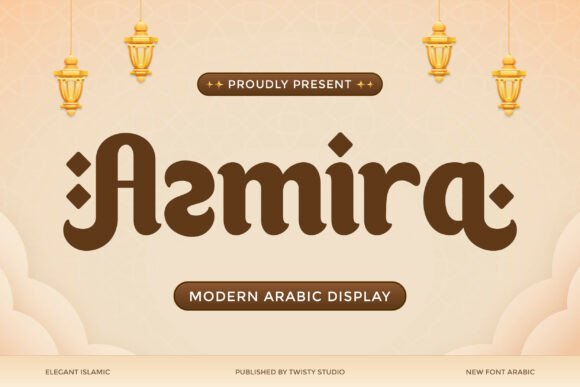
Welcome to the world of Azmira, a modern Arabic display font that beautifully blends cultural elegance with a contemporary design approach. Inspired by the rich heritage of Arabic letterforms, this typeface features smooth curves, flowing lines, and distinctive shapes that create a harmonious and visually captivating style. It brings a unique balance between tradition and modernity, making it both expressive and refined.
Why Choose Azmira?
Azmira is not just a font; it's a statement. Its design embodies the essence of Arabic calligraphy while embracing the clean, modern aesthetics that appeal to a wide audience. Whether you're a designer, marketer, or content creator, Azmira can add a touch of sophistication and authenticity to your projects. However, like any powerful tool, it requires thoughtful consideration to use effectively.
Mistake 1: Overusing the Font
One of the most common mistakes is overusing Azmira in a design. While the font is beautiful, using it excessively can overwhelm the viewer and detract from the overall message. Tip: Use Azmira for key elements like headings or titles, and pair it with a simpler, more legible font for body text.
Mistake 2: Ignoring Context and Audience
Another mistake is not considering the context and audience. Azmira has a strong cultural and aesthetic presence, which may not be suitable for all types of content or audiences. Tip: Before using Azmira, consider the tone and purpose of your project. Is it formal, casual, or creative? Ensure the font aligns with the intended message and target audience.
Mistake 3: Poor Spacing and Kerning
Proper spacing and kerning are crucial for readability and visual appeal. Poorly spaced characters can make the text difficult to read and unprofessional. Tip: Take the time to adjust the spacing and kerning in your design software. This will help maintain the elegance and readability of the font.
Mistake 4: Not Testing on Different Devices
Fonts can render differently across various devices and platforms. Failing to test Azmira on different devices can lead to unexpected results, such as poor legibility or distorted characters. Tip: Always test your designs on multiple devices and platforms to ensure consistency and quality.
Understand the Font's Characteristics
Familiarize yourself with Azmira's unique characteristics, such as its smooth curves and flowing lines. Understanding these features will help you use the font more creatively and effectively. For example, you can highlight specific words or phrases to draw attention and create visual interest.
Pair with Complementary Fonts
To create a balanced and harmonious design, pair Azmira with complementary fonts. A good rule of thumb is to choose one serif and one sans-serif font. This combination can enhance the overall aesthetic and readability of your design. For instance, you might use Azmira for headings and a clean sans-serif like Arial for body text.
Consider the Readability
While Azmira is visually appealing, it's important to consider readability, especially for longer texts. If you need to use Azmira for body text, ensure the font size is large enough and the line spacing is adequate. This will help maintain readability without sacrificing the font's elegance.
Use in Appropriate Contexts
Azmira is well-suited for projects that require a touch of cultural elegance and modernity. It works particularly well for branding, editorial design, and creative projects. However, it may not be the best choice for highly technical or formal documents. Always consider the context and purpose of your project before deciding to use Azmira.
Final Thoughts
Azmira is a versatile and elegant font that can elevate your design projects. By avoiding common mistakes and following practical advice, you can use Azmira effectively and create visually stunning and meaningful designs. Remember to always test your designs and consider the context and audience to ensure the best possible results.